Buy tasteofindia.eu ?
We are moving the project
tasteofindia.eu .
Are you interested in purchasing the domain
tasteofindia.eu ?
domain@kv-gmbh.de · 0541-91531010
Buy tasteofindia.eu ?
What are biblical archetypes?
Biblical archetypes are recurring symbols, characters, or themes found throughout the Bible that represent universal human experiences, emotions, or truths. These archetypes often serve as a model or pattern for understanding and interpreting the world and our own lives. Examples of biblical archetypes include the hero, the villain, the journey, the sacrifice, and the redemption, which can be found in various stories and characters throughout the Bible. These archetypes provide a framework for understanding the human condition and the spiritual journey. **
What are the archetypes of C.G. Jung?
C.G. Jung identified several archetypes that he believed were universal symbols or themes that appear in the collective unconscious of all people. Some of the key archetypes include the persona (the social mask we present to the world), the shadow (the darker, unconscious side of our personality), the anima/animus (the feminine and masculine aspects within each individual), the self (the striving for wholeness and integration), and the hero (the figure who overcomes challenges and achieves greatness). Jung believed that recognizing and integrating these archetypes into our consciousness could lead to personal growth and self-realization. **


Similar search terms for Archetypes
Top-Angebote
Products related to Archetypes:
-
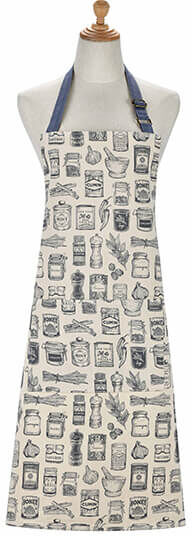
Ulster Weavers Herbs & Spices Cotton ApronThe Ulster Weavers Herbs & Spices Cotton Apron is inspired by vintage food packaging and recipe books, featuring hand drawn designs created with fineliners. The single-color print on unbleached cloth gives the collection a rustic, timeless cookshop look. Made from 100% cotton, this stylish apron features an adjustable neck strap, waist ties and a handy front pocket. Machine washable at 40°C. Part of the Ulster Weavers Herbs & Spices collection, this apron can be mixed and matched with other items, sold separately. Size: 70(W) x 85(L)cm.18,00 £*Shipping: 3,50 £Secure redirect to the provider
-
Ulster Weavers Herbs & Spices Oilcloth ApronThe Ulster Weavers Herbs & Spices Oilcloth Apron is inspired by vintage food packaging and recipe books, featuring hand drawn designs created with fineliners. The single-color print on unbleached cloth gives the collection a rustic, timeless cookshop look. Made from natural cotton with a PVC coating, this stylish apron features an adjustable neck strap, waist ties and a matt finish. Simply wipe clean with a damp cloth to remove stains and remnants of food. Part of the Herbs & Spices collection from Ulster Weavers, this apron can be mixed and matched with other items, sold separately. Size: 0.2(H) x 59(W) x 81(L)cm.18,90 £*Shipping: 3,50 £Secure redirect to the provider
-
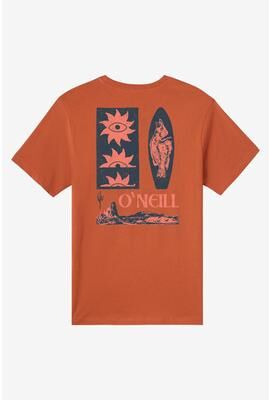
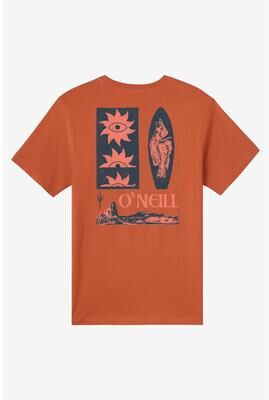
O'Neill s Elsinore Classic T-Shirt in Chutney, Size MediumPremium soft cotton with a standout screen print. Men's Standard Fit Short Sleeve Tee 100% Cotton Weight: 155 GSM Soft Hand Screen Print O'Neill Men's Elsinore Classic T-Shirt in Chutney, Size Medium20,99 $*Shipping: 0,00 $Secure redirect to the provider


-
What dishes are Tandoori Rogan Josh or Tikka Masala?
Tandoori Rogan Josh is a popular Indian dish made with marinated and grilled meat, typically lamb, in a rich and flavorful sauce made with yogurt, tomatoes, and various spices such as cumin, coriander, and garam masala. Tikka Masala is a dish made with marinated and grilled meat, usually chicken, in a creamy and spiced tomato sauce. Both dishes are known for their bold and aromatic flavors and are often served with rice or naan bread. **
-
Are there different soul types or family archetypes?
Yes, some belief systems and spiritual practices suggest that there are different soul types or family archetypes. These can include concepts such as old souls, young souls, warrior souls, healer souls, and more. Each soul type is believed to have unique characteristics, purposes, and lessons to learn in their lifetime. Understanding these soul types or family archetypes can help individuals gain insight into their own spiritual journey and relationships with others. **
-
What is the difference between archetypes and stereotypes?
Archetypes are universal symbols or themes that represent shared human experiences and emotions, often found in literature, mythology, and art. They are timeless and can be interpreted in various ways. On the other hand, stereotypes are oversimplified and generalized beliefs about a particular group of people, often based on assumptions or prejudices. Stereotypes can be harmful as they limit individuals to a narrow set of characteristics, while archetypes are more complex and can be used to explore deeper aspects of the human psyche. **
-
How can images and pictures be used as archetypes?
Images and pictures can be used as archetypes by representing universal symbols and themes that are deeply ingrained in the human psyche. For example, a picture of a mother and child can evoke the archetype of nurturing and protection. Similarly, an image of a tree can symbolize growth, strength, and connection to the earth. By tapping into these archetypal images, artists and storytellers can convey powerful and resonant messages that transcend cultural and linguistic barriers. Additionally, these archetypal images can evoke strong emotional responses and connect with audiences on a subconscious level. **

How can the difference between the collective unconscious and archetypes be explained simply?
The collective unconscious is a concept introduced by Carl Jung, which refers to the shared reservoir of memories and experiences that all humans inherit. Archetypes, on the other hand, are universal symbols or themes that arise from the collective unconscious and are expressed in various cultures and individuals. In simpler terms, the collective unconscious is like a vast library of human experiences, while archetypes are the common themes or characters found within that library that appear in myths, stories, and dreams. **
How can the difference between the collective unconscious and the archetypes be simply explained?
The collective unconscious refers to the shared reservoir of memories, experiences, and images that are inherited from our ancestors and are common to all humans. It is a part of the unconscious mind that is shared by all people across cultures. On the other hand, archetypes are universal symbols and patterns that emerge from the collective unconscious. They are recurring themes or motifs that are present in myths, stories, and dreams and represent fundamental human experiences and emotions. In simple terms, the collective unconscious is the deep well of shared human experiences, while archetypes are the specific symbols and patterns that arise from this collective unconscious. **
Top-Angebote
Products related to Archetypes:
-
GEEPAS 5-in-1 Mixer Grinder 3 Stainless Steel Jars & 1.5L Juice Jar Food Blender for Dry Wet Grinding Indian Masala Chutney Dosa Grinding 3 Spee Silver;Black 1.5mlExperience effortless Indian cooking with the Geepas 1000W Mixer Grinder, a versatile food mixer designed for blending, grinding, and juicing. Equipped with three stainless steel jars and a 1.5L juicer jar, it handles everything from dry masalas and wet batters to smoothies and chutneys. The powerful copper motor, 3-speed control with pulse, and sharp stainless steel blades deliver smooth, precise results every time. Designed for convenience and durability, it includes overload protection, ergonomic handles, and sturdy lids. Compact yet powerful, this food mixer brings authentic Indian cooking to modern UK kitchens with ease and efficiency. Health Benefits: • Promotes fresh eating – easily make chutneys, purees, and juices. • Preserves nutrients – retains vitamins with minimal processing. • Encourages healthy cooking – enables low-oil grinding and blending. • Supports weight management – prep smoothies and protein shakes. • Boosts immunity – simplifies making immunity-boosting spice blends. • Improves digestion – makes fresh masalas and pastes for gut-friendly meals. • Saves time – reduces prep time for home-cooked meals. • Reduces processed food intake – avoid store-bought sauces and mixes. • Enables diet customization – tailor textures and ingredients to your health goals. • Enhances hydration – quickly blends fruits for refreshing drinks. • Handles tough Indian ingredients – grinds hard spices, lentils, and batters without compromising texture or taste. Geepas99,99 £*Shipping: 0,00 £Secure redirect to the provider
-
Quadrille Publishing Ltd Curry Guy Air Fryer: 50 Simple Curry Favourites by Dan ToombsThe first ever curryhouse air fryer cookbook! 50 brand new recipes from The Curry Guy. We all love our air fryers – but did you know you could use one to make delicious curryhouse favourites without tons of oil? In Curry Guy Air Fryer Dan Toombs will show you how. Dan is a master of curryhouse cuisine and he has applied his knowledge and foolproof methods to air fryer recipes – offering everything from Onion Bhajis to Chicken Tikka, Beef Madras to Butter Chicken, Saag Paneer to Goan Pork Vindaloo, with perfect air fryer Basmati rice and Naans to serve alongside. With sumptuous colour photos throughout, plus tips and tricks for getting your curries just right, treat your family to a fuss-free curry feast with Curry Guy Air Fryer.9,99 £*Shipping: 2,99 £Secure redirect to the provider
-
Ulster Weavers Herbs & Spices Cotton ApronThe Ulster Weavers Herbs & Spices Cotton Apron is inspired by vintage food packaging and recipe books, featuring hand drawn designs created with fineliners. The single-color print on unbleached cloth gives the collection a rustic, timeless cookshop look. Made from 100% cotton, this stylish apron features an adjustable neck strap, waist ties and a handy front pocket. Machine washable at 40°C. Part of the Ulster Weavers Herbs & Spices collection, this apron can be mixed and matched with other items, sold separately. Size: 70(W) x 85(L)cm.18,00 £*Shipping: 3,50 £Secure redirect to the provider
-
What are biblical archetypes?
Biblical archetypes are recurring symbols, characters, or themes found throughout the Bible that represent universal human experiences, emotions, or truths. These archetypes often serve as a model or pattern for understanding and interpreting the world and our own lives. Examples of biblical archetypes include the hero, the villain, the journey, the sacrifice, and the redemption, which can be found in various stories and characters throughout the Bible. These archetypes provide a framework for understanding the human condition and the spiritual journey. **
-
What are the archetypes of C.G. Jung?
C.G. Jung identified several archetypes that he believed were universal symbols or themes that appear in the collective unconscious of all people. Some of the key archetypes include the persona (the social mask we present to the world), the shadow (the darker, unconscious side of our personality), the anima/animus (the feminine and masculine aspects within each individual), the self (the striving for wholeness and integration), and the hero (the figure who overcomes challenges and achieves greatness). Jung believed that recognizing and integrating these archetypes into our consciousness could lead to personal growth and self-realization. **
-
What dishes are Tandoori Rogan Josh or Tikka Masala?
Tandoori Rogan Josh is a popular Indian dish made with marinated and grilled meat, typically lamb, in a rich and flavorful sauce made with yogurt, tomatoes, and various spices such as cumin, coriander, and garam masala. Tikka Masala is a dish made with marinated and grilled meat, usually chicken, in a creamy and spiced tomato sauce. Both dishes are known for their bold and aromatic flavors and are often served with rice or naan bread. **
-
Are there different soul types or family archetypes?
Yes, some belief systems and spiritual practices suggest that there are different soul types or family archetypes. These can include concepts such as old souls, young souls, warrior souls, healer souls, and more. Each soul type is believed to have unique characteristics, purposes, and lessons to learn in their lifetime. Understanding these soul types or family archetypes can help individuals gain insight into their own spiritual journey and relationships with others. **
Similar search terms for Archetypes
-
Ulster Weavers Herbs & Spices Oilcloth ApronThe Ulster Weavers Herbs & Spices Oilcloth Apron is inspired by vintage food packaging and recipe books, featuring hand drawn designs created with fineliners. The single-color print on unbleached cloth gives the collection a rustic, timeless cookshop look. Made from natural cotton with a PVC coating, this stylish apron features an adjustable neck strap, waist ties and a matt finish. Simply wipe clean with a damp cloth to remove stains and remnants of food. Part of the Herbs & Spices collection from Ulster Weavers, this apron can be mixed and matched with other items, sold separately. Size: 0.2(H) x 59(W) x 81(L)cm.18,90 £*Shipping: 3,50 £Secure redirect to the provider
-
O'Neill s Elsinore Classic T-Shirt in Chutney, Size MediumPremium soft cotton with a standout screen print. Men's Standard Fit Short Sleeve Tee 100% Cotton Weight: 155 GSM Soft Hand Screen Print O'Neill Men's Elsinore Classic T-Shirt in Chutney, Size Medium20,99 $*Shipping: 0,00 $Secure redirect to the provider
-
O'Neill s Elsinore Classic T-Shirt in Chutney, Size LargePremium soft cotton with a standout screen print. Men's Standard Fit Short Sleeve Tee 100% Cotton Weight: 155 GSM Soft Hand Screen Print O'Neill Men's Elsinore Classic T-Shirt in Chutney, Size Large20,99 $*Shipping: 0,00 $Secure redirect to the provider
-
O'Neill s Elsinore Classic T-Shirt in Chutney, Size XLPremium soft cotton with a standout screen print. Men's Standard Fit Short Sleeve Tee 100% Cotton Weight: 155 GSM Soft Hand Screen Print O'Neill Men's Elsinore Classic T-Shirt in Chutney, Size XL20,99 $*Shipping: 0,00 $Secure redirect to the provider
-
What is the difference between archetypes and stereotypes?
Archetypes are universal symbols or themes that represent shared human experiences and emotions, often found in literature, mythology, and art. They are timeless and can be interpreted in various ways. On the other hand, stereotypes are oversimplified and generalized beliefs about a particular group of people, often based on assumptions or prejudices. Stereotypes can be harmful as they limit individuals to a narrow set of characteristics, while archetypes are more complex and can be used to explore deeper aspects of the human psyche. **
-
How can images and pictures be used as archetypes?
Images and pictures can be used as archetypes by representing universal symbols and themes that are deeply ingrained in the human psyche. For example, a picture of a mother and child can evoke the archetype of nurturing and protection. Similarly, an image of a tree can symbolize growth, strength, and connection to the earth. By tapping into these archetypal images, artists and storytellers can convey powerful and resonant messages that transcend cultural and linguistic barriers. Additionally, these archetypal images can evoke strong emotional responses and connect with audiences on a subconscious level. **
-
How can the difference between the collective unconscious and archetypes be explained simply?
The collective unconscious is a concept introduced by Carl Jung, which refers to the shared reservoir of memories and experiences that all humans inherit. Archetypes, on the other hand, are universal symbols or themes that arise from the collective unconscious and are expressed in various cultures and individuals. In simpler terms, the collective unconscious is like a vast library of human experiences, while archetypes are the common themes or characters found within that library that appear in myths, stories, and dreams. **
-
How can the difference between the collective unconscious and the archetypes be simply explained?
The collective unconscious refers to the shared reservoir of memories, experiences, and images that are inherited from our ancestors and are common to all humans. It is a part of the unconscious mind that is shared by all people across cultures. On the other hand, archetypes are universal symbols and patterns that emerge from the collective unconscious. They are recurring themes or motifs that are present in myths, stories, and dreams and represent fundamental human experiences and emotions. In simple terms, the collective unconscious is the deep well of shared human experiences, while archetypes are the specific symbols and patterns that arise from this collective unconscious. **
* All prices are inclusive of VAT and, if applicable, plus shipping costs. The offer information is based on the details provided by the respective shop and is updated through automated processes. Real-time updates do not occur, so deviations can occur in individual cases. ** Note: Parts of this content were created by AI.